Why Material Selection Matters in Commercial Flooring
Specifying the wrong hardwood for a commercial interior can lead to costly failures — cupping, gapping, premature wear, and refinishing cycles that exceed the building's operational budget. According to the USDA Forest Products Laboratory, teak (Tectona grandis) exhibits a radial shrinkage of just 2.5% and tangential shrinkage of 5.8%, the lowest dimensional movement among premium hardwoods. For architects specifying flooring for hotels, restaurants, luxury retail, or corporate offices, understanding how each species performs under real building conditions is essential to long-term project success.
Species Comparison Overview
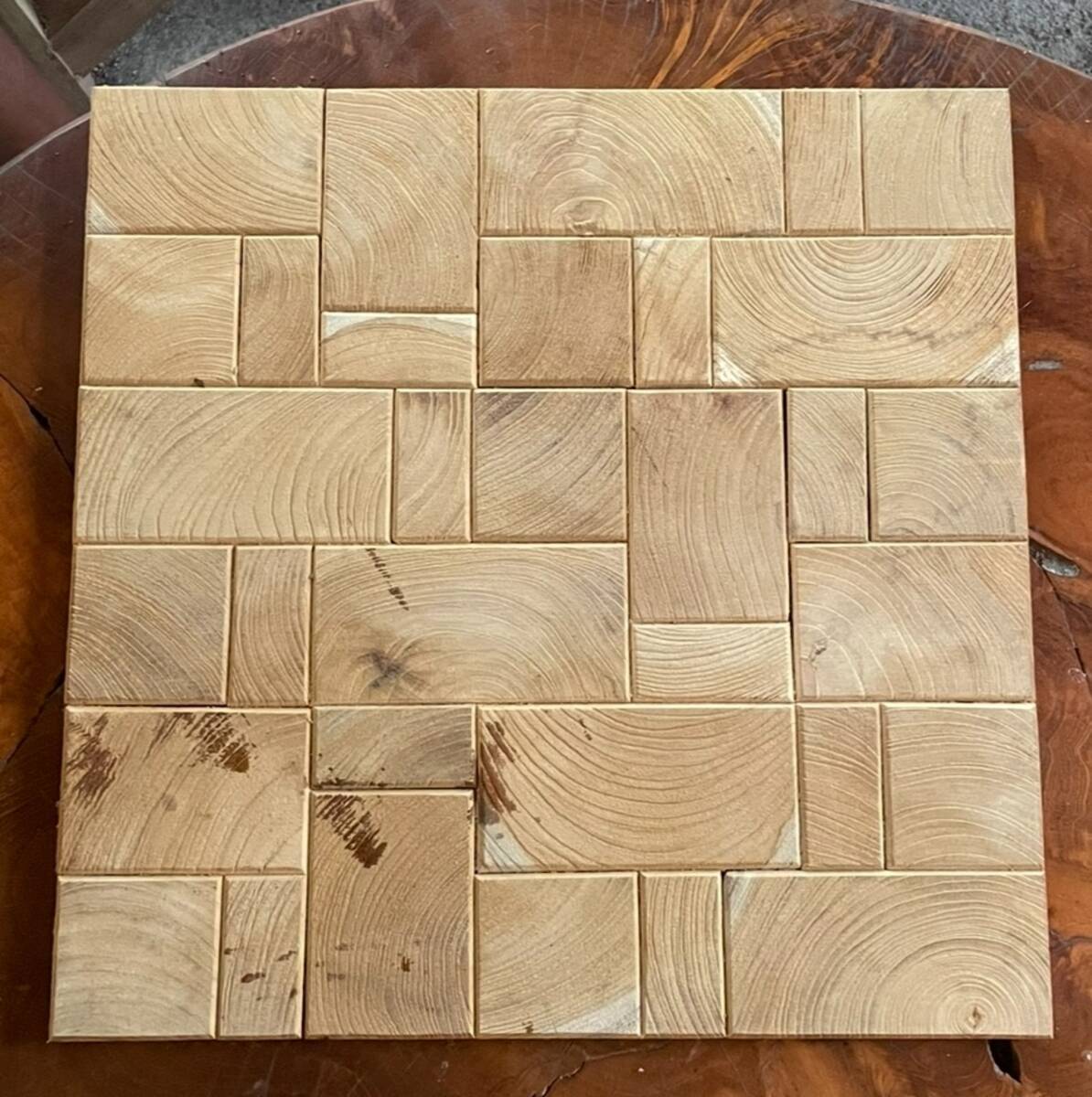
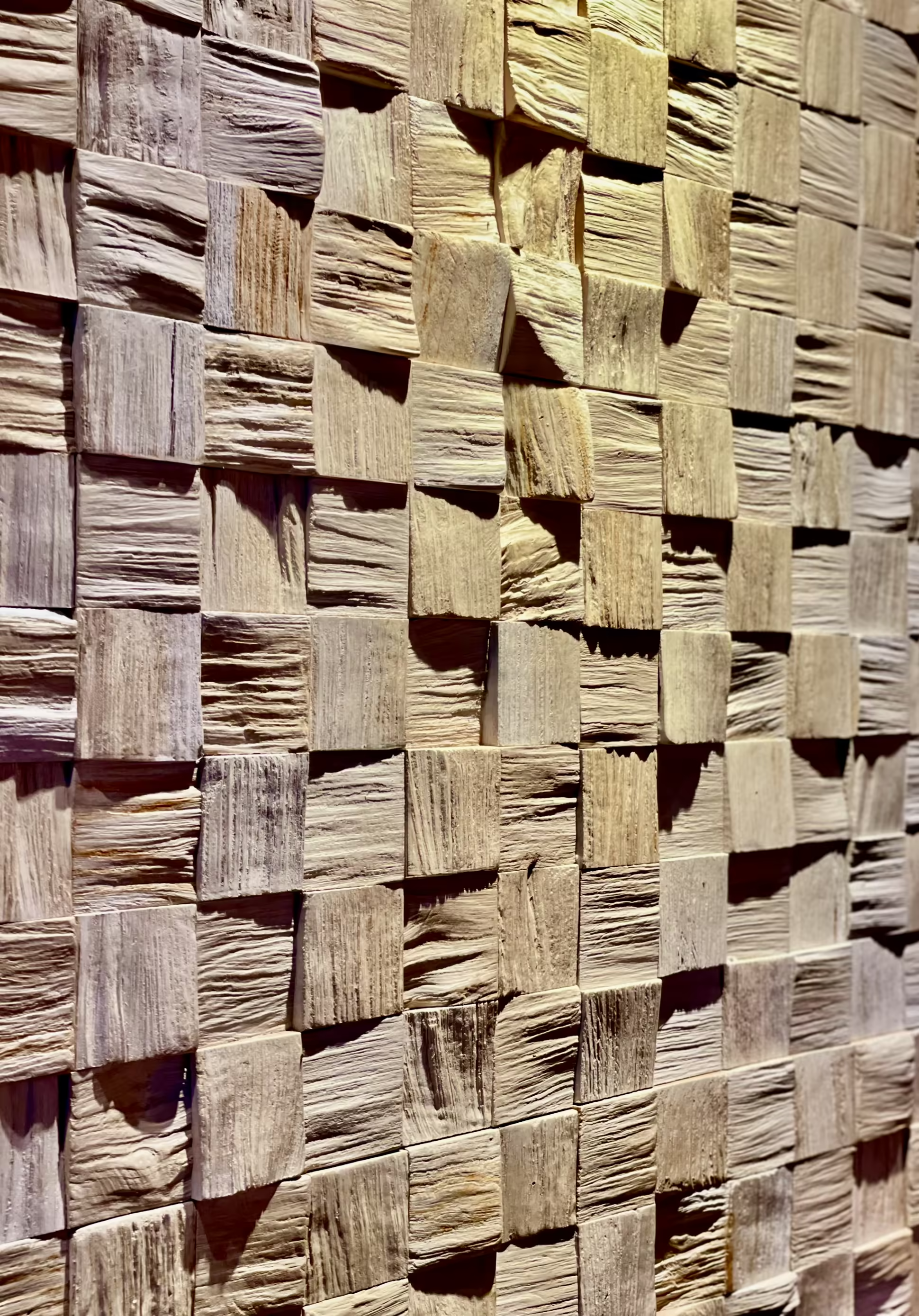
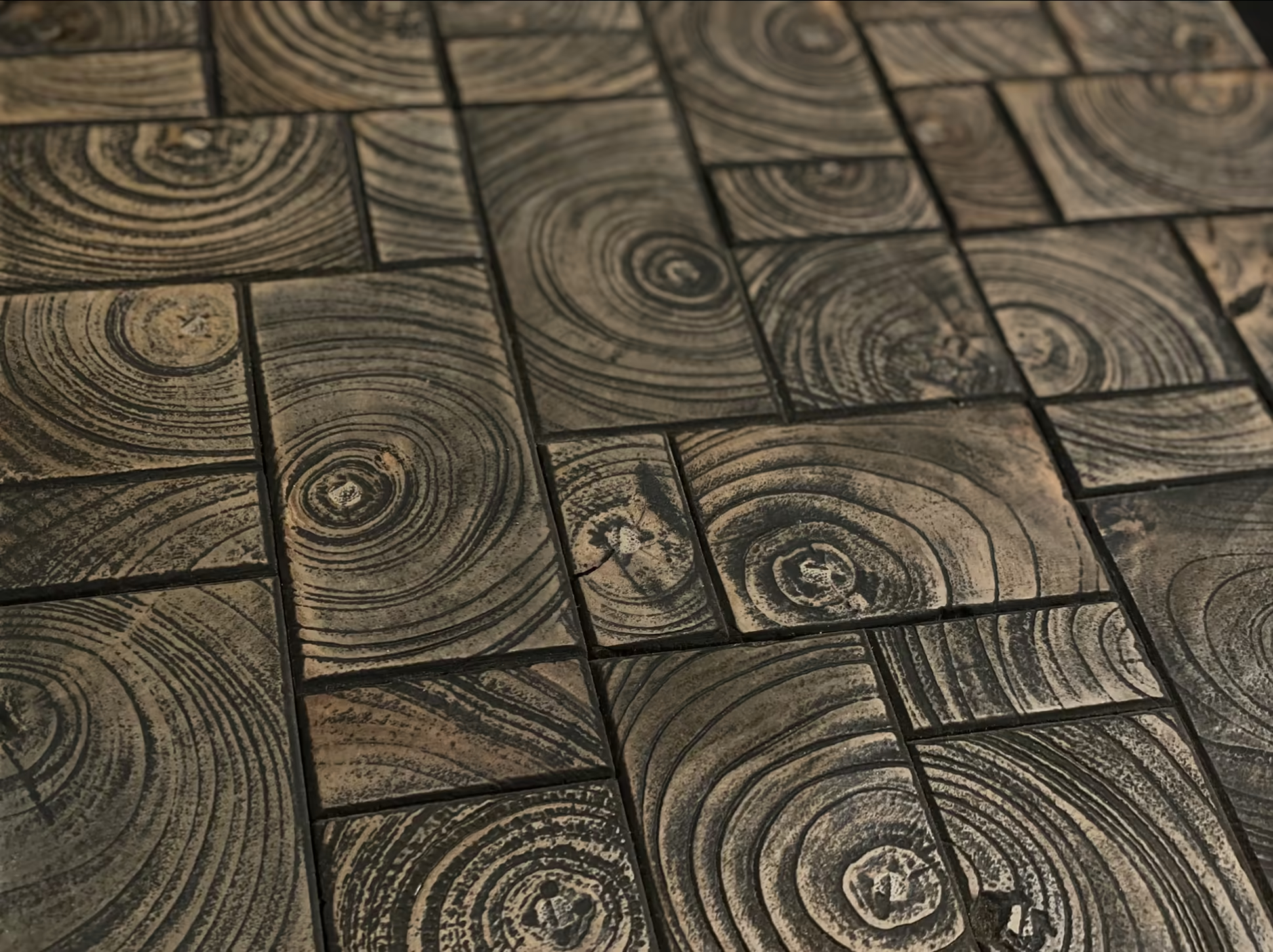
Teak (Tectona grandis): Janka hardness 1,000–1,155 lbf. Natural oil content provides inherent moisture and insect resistance. Dimensional stability is the best in its class. European durability class 1 (very durable) against fungi. Naturally termite-resistant. Service life: 50–100+ years with proper maintenance.
Red Oak (Quercus rubra): Janka hardness 1,290 lbf. The North American standard for hardwood flooring. No natural oil content — requires film-forming finishes for moisture protection. Shrinkage: radial 4.0%, tangential 8.6%. European durability class 4 (slightly durable) against fungi. Service life: 20–30 years before refinishing required.
Black Walnut (Juglans nigra): Janka hardness 1,010 lbf. Prized for rich chocolate-brown color and straight grain. Lower hardness makes it prone to denting in high-traffic commercial applications. Shrinkage: radial 5.5%, tangential 7.8%. No natural resistance to decay or insects. Service life: 15–25 years in commercial settings.
Hard Maple (Acer saccharum): Janka hardness 1,450 lbf. The hardest domestic hardwood, frequently specified for basketball courts and dance floors. Poor dimensional stability — shrinkage: radial 4.8%, tangential 9.9%. Susceptible to moisture damage and fungal attack without aggressive sealing. Service life: 20–30 years in controlled indoor environments.
Dimensional Stability — Teak's Defining Engineering Advantage
Dimensional stability — the degree to which a wood species expands and contracts with changes in humidity — is the single most important specification factor for flooring performance. The USDA Forest Products Laboratory reports teak's total volumetric shrinkage at 7.0%, compared to red oak at 13.7% and hard maple at 14.7%. This means a teak floor will exhibit roughly half the seasonal movement of oak or maple, resulting in tighter joints, fewer gaps, and dramatically reduced risk of cupping or buckling over the life of the installation. For projects in climates with seasonal humidity variation — including Japan, Europe, and North America — this characteristic alone makes teak the superior specification choice.
Natural Durability — Resistance Beyond Finish
Unlike domestic hardwoods that rely entirely on surface finishes for protection, teak contains natural tectoquinone oils and silica that render the heartwood resistant to decay fungi (European standard EN 350-2: class 1 — very durable), termites (class M — moderately durable), and moisture absorption. The US Navy and European shipbuilders have specified teak for decking and marine applications for centuries precisely because of this inherent resistance. No domestic hardwood species can match teak's performance in use class 4 (in-ground or fresh water contact) or use class 5 (marine environment) without chemical treatment. For commercial flooring — where spills, moisture ingress from cleaning, and humidity fluctuation are unavoidable — this natural durability eliminates a primary failure mode.
Hardness and Wear Resistance in Context
Teak's Janka hardness of 1,000–1,155 lbf places it between black walnut (1,010 lbf) and red oak (1,290 lbf). While teak is not the hardest hardwood available, hardness alone is a poor predictor of flooring performance. A floor's resistance to visible wear is determined more by the finish system and maintenance protocol than by the raw Janka value of the substrate. Teak's dense grain structure and high silica content actually create a more abrasion-resistant surface than the Janka rating suggests — silica acts as a natural wear hardener, which is why teak was traditionally specified for ship decks exposed to constant foot traffic and saltwater. For architects, the relevant metric is not peak hardness but rather the species' ability to maintain a flat, stable, serviceable surface over decades of use — an area where teak outperforms every domestic alternative.
Lifecycle Performance and Total Cost of Ownership
When evaluating flooring materials, the initial material cost must be considered against the full service life. A solid teak floor installed today, maintained properly, and refinished every 7 to 10 years, will remain in service for 50 to 100 years. Red oak and maple flooring typically require replacement after 20 to 30 years in commercial settings due to moisture damage, wear, and the cumulative effect of refinishing cycles. Over a 50-year building lifecycle, teak may be replaced once or not at all, while oak or maple may need two or three complete replacements — each involving demolition, disposal, subfloor preparation, and new installation. Teak's higher initial specification is offset by its dramatically longer service life and lower total cost of ownership over the building's operational lifespan.
Specification Recommendations by Project Type
Luxury Hospitality (hotels, resorts, restaurants): Specify solid teak for its moisture resistance, dimensional stability in variable occupancy conditions, and ability to withstand frequent cleaning cycles. The natural warmth of teak's golden-brown color aligns with luxury brand expectations.
Corporate and Retail (offices, showrooms, boutiques): Teak's resistance to indentation from high-heel traffic and furniture movement, combined with its refinishing capacity, makes it suitable for spaces where appearance must be maintained over extended lease periods.
Residential Premium (luxury residences, penthouses): For clients who value material authenticity and long-term performance over trend-driven alternatives, teak offers a combination of aesthetic warmth, natural character, and generational durability that engineered products cannot replicate.
High-Moisture Environments (coastal properties, tropical climates): Teak is the only premium hardwood species that can be specified for bathrooms, kitchens, and covered outdoor spaces with confidence. Its natural oil content eliminates the risk of moisture-related failures that plague oak, maple, and walnut in these applications.
Frequently Asked Questions
Is teak harder than oak? No. Plantation teak measures 1,000–1,155 lbf on the Janka scale, while red oak measures 1,290 lbf. However, teak's silica content and dimensional stability make it more wear-resistant in practice. Hardness alone does not determine flooring longevity.
Can teak be used with underfloor heating? Yes. Teak's low shrinkage rates — the lowest among premium hardwoods — make it one of the safest species for radiant heating applications. Proper acclimation and moisture content control are essential.
Does teak require more maintenance than oak? No. Teak requires less maintenance because its natural oils reduce the need for frequent refinishing. The same cleaning protocol applies to both species: dry sweeping, occasional damp mopping with pH-neutral cleaner, and prompt spill management.
Why is Indonesian teak preferred for export to Japan? Japanese architects and specifiers have long preferred Indonesian teak for its controlled moisture content, dense grain structure, and stability in Japan's seasonal climate variation. Indonesian plantation teak is kiln-dried to specific moisture content targets that align with Japan's building standards.
Conclusion
For architects and specifiers evaluating hardwood flooring options, the choice extends beyond surface appearance. Teak's unrivalled dimensional stability, natural durability, and lifecycle value make it the technically superior specification for projects where long-term performance is non-negotiable. Explore our teak flooring specifications or request a project consultation for your next commercial or luxury residential development.