Key Takeaways
- The global teak wood market is valued at USD 55.65 billion in 2026 and is projected to reach USD 115.59 billion by 2035, growing at a CAGR of 8.46% (Business Research Insights, 2026)
- Teak natural oil content and Janka hardness of 1,070 lbf make it one of the most durable and moisture-resistant hardwoods for architectural paneling
- FSC and SVLK certifications provide verifiable assurance that teak panels meet sustainability and legality requirements for international projects
- Indoor teak wall cladding delivers a 50-100 year service life, outperforming engineered alternatives by 5x in comparable conditions
Premium Teak Panels Define Modern Luxury Interiors
The global teak wood market is valued at approximately USD 55.65 billion in 2026 and is projected to reach USD 115.59 billion by 2035, growing at a CAGR of 8.46% (Business Research Insights, 2026). For architects and interior designers specifying premium interior finishes, teak panels represent a convergence of durability, natural beauty, and sustainability that few materials can match. The wood wall cladding sector alone is growing from USD 7.08 billion in 2025 to a projected USD 10.8 billion by 2035, reflecting sustained demand for natural wall finishes in commercial and residential projects (Grand View Research, 2025). This guide covers everything you need to know about premium teak panels: from wall cladding and flooring options to technical specifications, sustainability certifications, and 2026 design trends. Whether you are specifying for a luxury hotel, a corporate lobby, or a high-end residence, understanding teak panel characteristics will help you make informed material decisions that perform for decades.
What Are Premium Teak Panels?
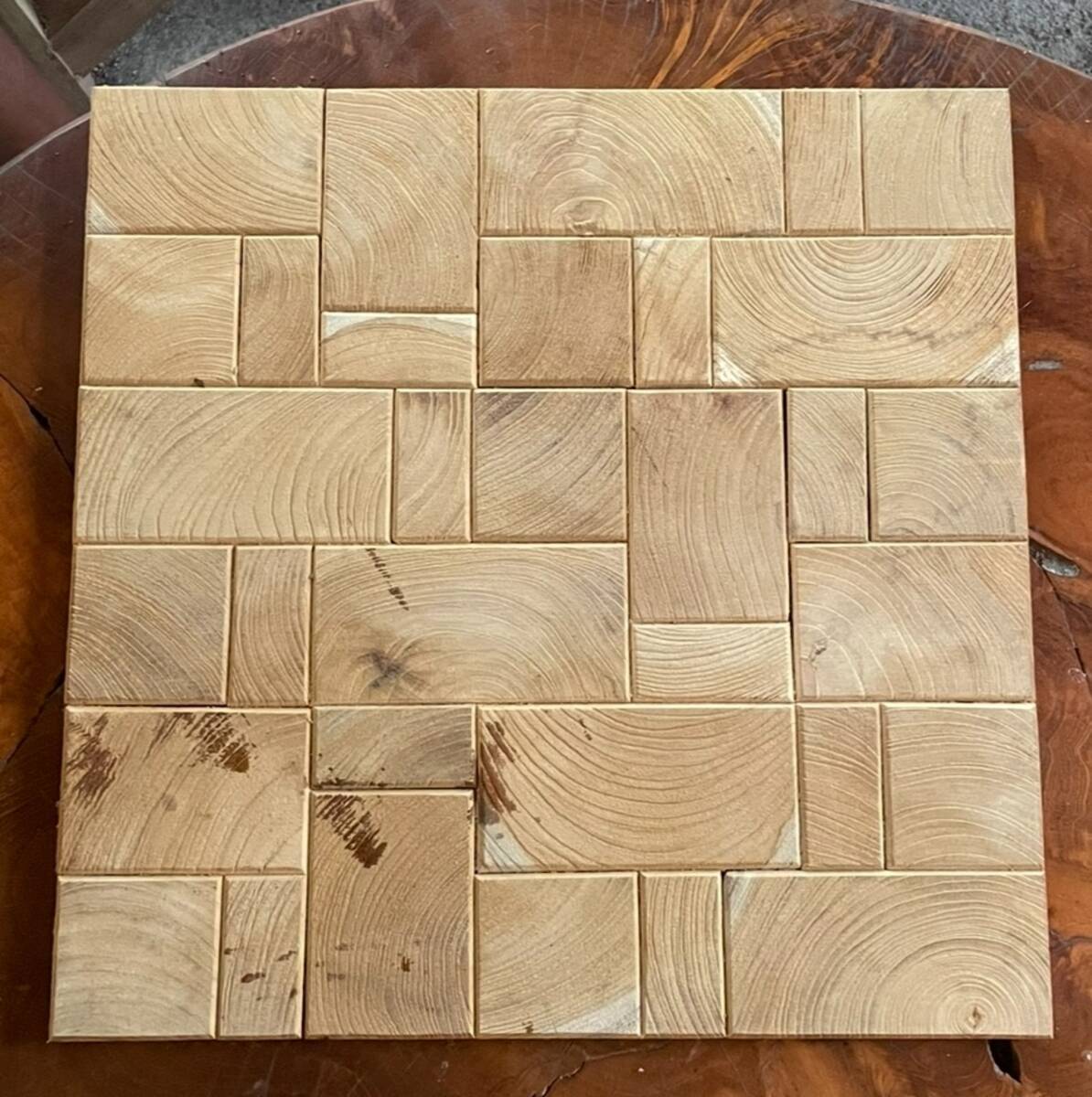
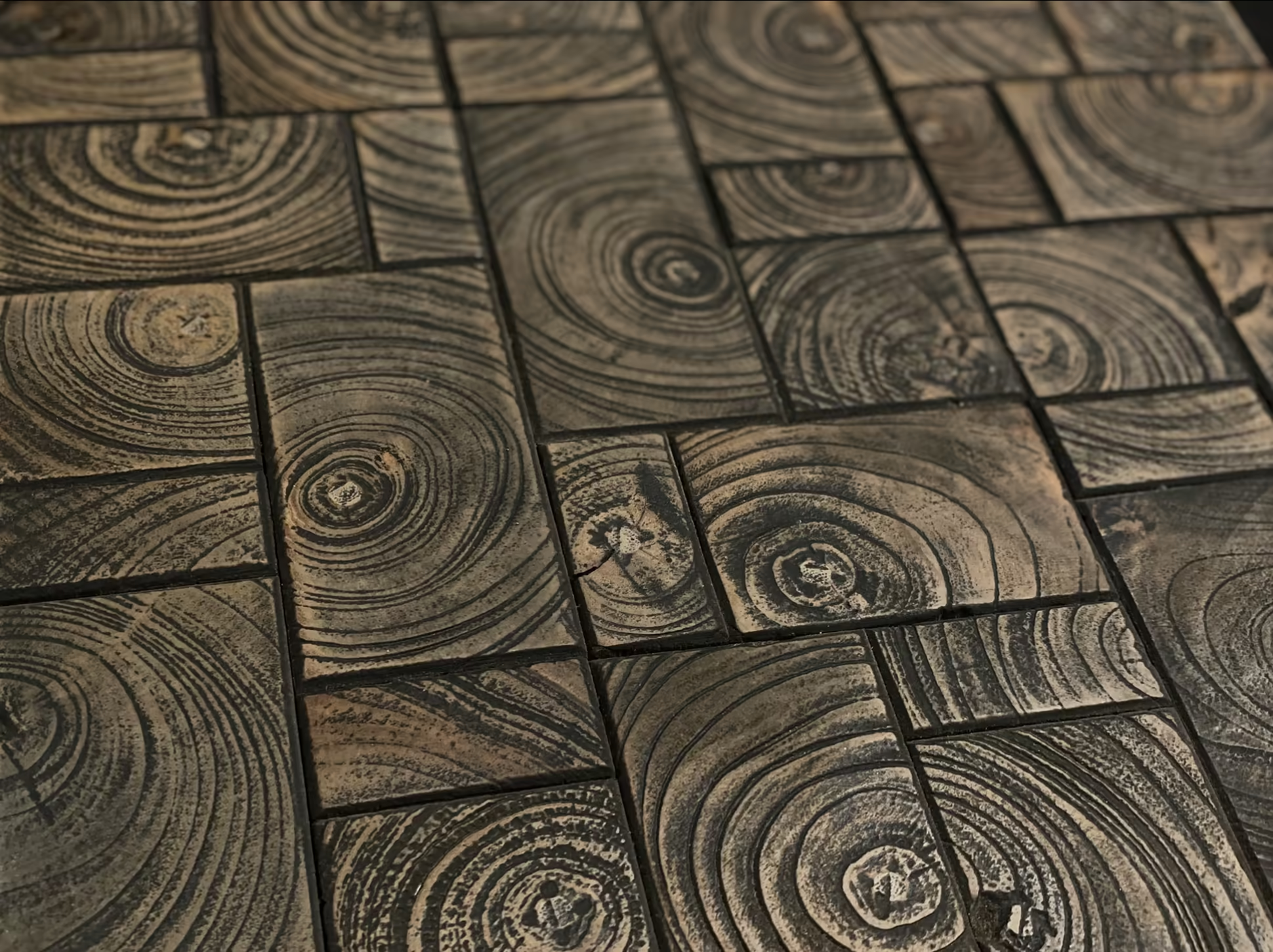
Premium teak panels are architectural finish products milled from Tectona grandis heartwood, selected for grain consistency, oil content, and dimensional stability. They fall into two primary categories: wall cladding panels (including rustic and 3D series) and modular flooring systems. According to the USDA Forest Products Laboratory, teak heartwood achieves European durability Class 1, the highest rating, with a service life exceeding 50 years in interior applications (Wood Handbook, 2021). Teak panels deliver a Janka hardness of 1,070 lbf, combined with natural silica content that resists abrasion and natural oils that repel moisture. Unlike composite wood products, premium teak panels are cut from solid heartwood, preserving the wood full structural integrity and natural protection system. The key characteristics that distinguish premium teak panels include: heartwood-only construction (sapwood is eliminated), moisture content controlled to 8-12% for dimensional stability, natural oil content of 5-8% for moisture and pest resistance, and grain selection that prioritizes straight, tight grain patterns for structural reliability. This makes them uniquely suited for high-traffic architectural applications where both durability and aesthetics are non-negotiable.
Why Architects Are Specifying Teak Panels in 2026
In 2026, 39% of interior designers report maximalism as the most requested style, while 38% cite eclecticism as a dominant aesthetic (1stDibs Interior Designer Trends Survey, 2025). These trends demand materials with warmth, texture, and authenticity, qualities that teak panels deliver naturally. The broader wood wall cladding market reflects this demand, growing at a CAGR of 4.3% and reaching an estimated USD 10.8 billion by 2035 (Grand View Research, 2025). Architects are choosing teak panels for three converging reasons: design trends favoring natural materials over synthetic alternatives, the push for biophilic design that connects occupants with natural elements, and teak unmatched durability in high-use commercial and residential environments. The material warm golden-brown tones and tactile surface appeal create spaces that feel both luxurious and grounded, an increasingly rare combination in contemporary interiors. Additionally, 41.67% of design and construction professionals specifically prioritize premium natural wood over fiber cement or composite materials, valuing authentic grain patterns and rich color that only real wood provides (Mataverde Design and Construction Survey, 2026).
Beyond aesthetics, teak delivers practical benefits that matter in professional specification. The wood dimensional stability (radial shrinkage of just 2.5% from green to oven-dry) means it performs predictably across climate zones and seasons. For architects working across multiple geographies, this consistency reduces callback risk and installation complexity. The natural acoustic properties of solid wood panels also contribute to sound management in open-plan spaces, with typical noise reduction coefficient values of 0.10 to 0.20 for wood paneling, improving to 0.60 or higher when combined with acoustic backing materials. These technical advantages make teak panels a specification choice that satisfies both aesthetic ambitions and performance requirements.
Teak Wall Cladding: Rustic vs 3D Series
Teak wall cladding is available in two primary styles: rustic series and 3D series, each serving different design intents and architectural contexts. The rustic series showcases teak natural grain patterns, knots, and color variations to create warm, organic surfaces. According to the Archiproducts Interior Design Trends 2026 report, warm woods with authentic characteristics are central to contemporary materiality (Archiproducts, 2025). A hotel lobby finished in rustic teak panels requires no additional wall art. The wood itself becomes the statement. The 3D series adds an extra dimension through relief patterns, grooved textures, and geometric arrangements. These panels create dynamic surfaces that change with lighting conditions, making them ideal for feature walls, reception areas, and retail environments where visual impact matters as much as material quality.
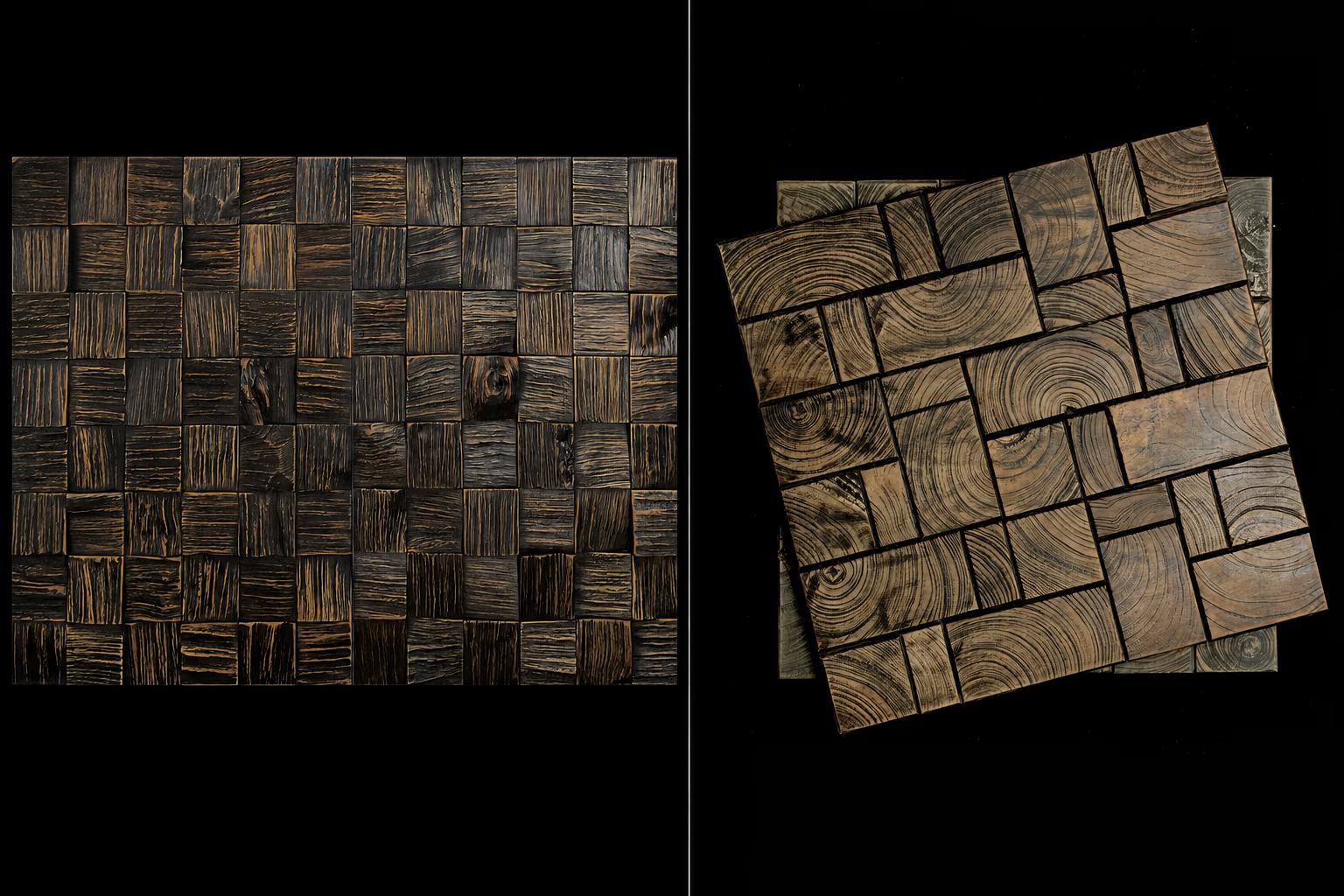
Selection between the two series depends on project requirements. Rustic panels pair well with minimalist and organic modern interiors where authenticity is the primary design value. They are commonly specified for bedroom feature walls, spa treatment rooms, and library spaces where the material natural warmth enhances occupant comfort. The 3D series works best in contemporary commercial settings, such as restaurant interiors, corporate reception areas, and retail displays, where the panel surface acts as a sculptural element that reinforces brand identity through material choice. Both series share teak inherent advantages: Class 1 durability against decay fungi, natural moisture resistance, and a service life that exceeds 50 years indoors when properly installed and maintained. For a deeper dive into teak wall paneling longevity across different conditions, see our dedicated analysis of how long teak wall paneling lasts.
Teak Wood Flooring: The Mosaic Grid Advantage
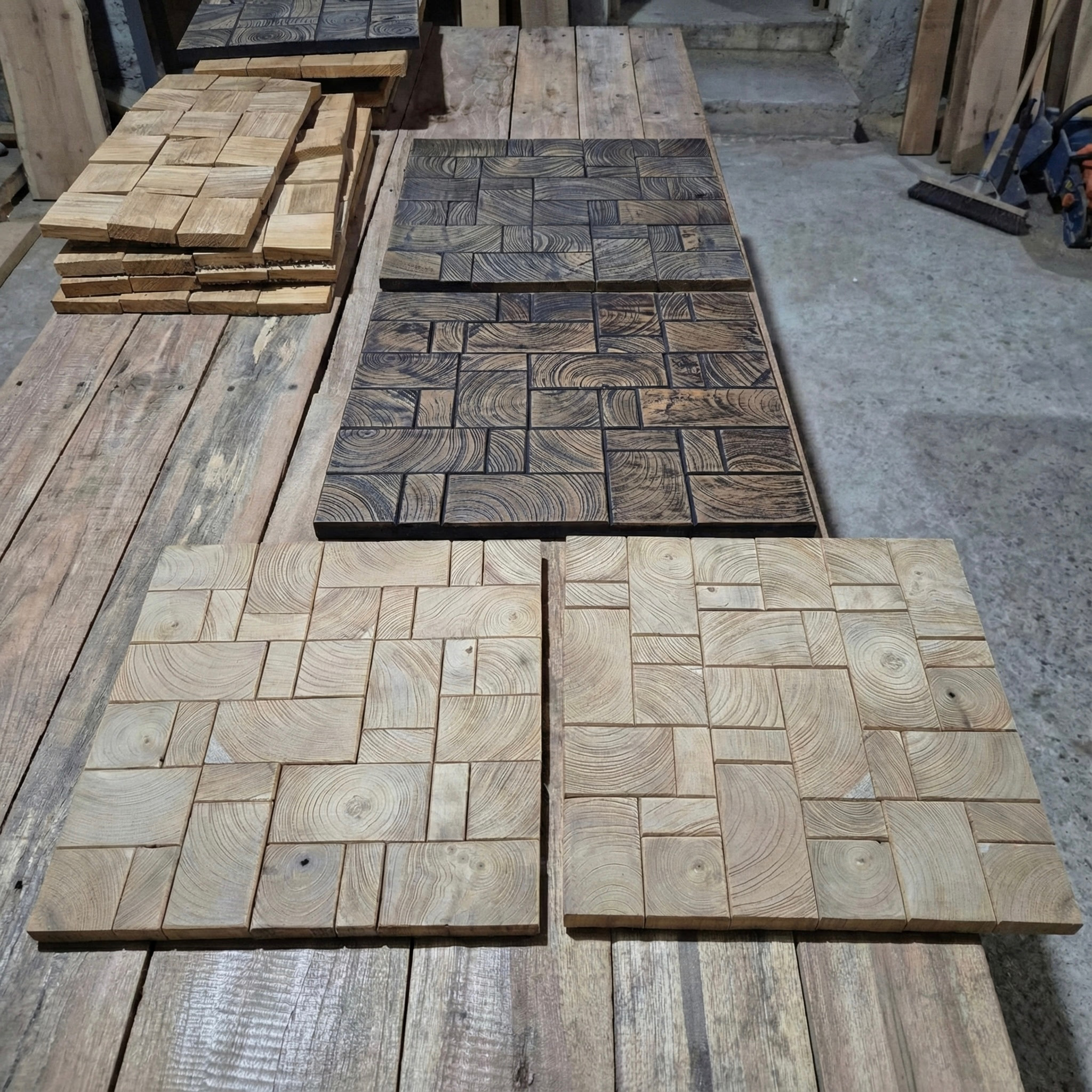
Teak floor panels in a mosaic grid configuration offer dimensional stability that solid planks cannot match in large-format installations. The engineered construction bonds a solid teak wear layer to a multi-ply substrate, reducing the wood natural expansion and contraction to approximately 1.5% across the grain. According to National Wood Flooring Association guidelines, engineered wood flooring with a teak wear layer of 4mm or more can be sanded and refinished 3 to 5 times, delivering a service life comparable to solid teak (NWFA, 2024). The mosaic grid pattern adds visual interest through geometric repetition while providing structural advantages. Each small module moves independently, minimizing gapping and cupping risks that affect large-format solid planks. For architects specifying flooring for radiant heated spaces or variable-humidity environments, the mosaic grid system is a reliable choice that reduces long-term maintenance concerns.
Teak flooring practical advantages extend beyond dimensional stability. The wood natural oil content, typically 5-8% of dry weight, provides inherent moisture resistance that does not require chemical treatments. This makes teak flooring particularly suitable for tropical climates, coastal properties, and buildings where chemical sensitivity is a concern. In a 2025 study published in the Journal of Cleaner Production, teak flooring demonstrated lower environmental impact across multiple categories compared to fossil-based resin flooring alternatives, with particular advantages in climate impact categories (Bedogni et al., 2025). The study emphasized that teak flooring carbon sequestration during its growth cycle offsets a significant portion of production and transport emissions. This combination of durability and sustainability makes teak flooring a specification choice that satisfies both performance requirements and environmental commitments. For detailed comparisons across multiple species, see our guide on teak versus other premium hardwoods for flooring applications.
Sustainability and Certification for Specifiers
In 2026, specifying teak panels without verified chain-of-custody certification is a professional risk that no architect should take. The two certifications that matter for Indonesian teak are FSC (Forest Stewardship Council) and SVLK (Sistem Verifikasi Legalitas Kayu). Indonesia mandatory SVLK system covers 99% of the country concession forest area and has issued over 1.5 million V-Legal documents covering timber exports valued at USD 77.48 billion (SILK Portal, 2021). For importers in the EU and UK, SVLK certification automatically qualifies products for FLEGT licensing, eliminating additional due diligence requirements. According to a 2026 survey by Mataverde, 37.5% of design and construction professionals rate sustainable, eco-friendly materials as a top-tier requirement for their projects. For architects working toward LEED, BREEAM, or WELL certification, specifying FSC-certified teak panels can contribute directly to credit achievement in responsible sourcing categories.
Teak sustainability story extends beyond certification. Each teak tree sequesters approximately 1.2 tonnes of CO2 per cubic meter during its 40-60 year growth cycle. When teak panels remain in service for 50-100 years indoors, the carbon stays locked in the built environment rather than being released through replacement cycles. A life-cycle assessment of teak plantation management in Thailand found that total operational carbon emissions over a 30-year rotation amount to 4,633.4 kg CO2 equivalent per hectare, with harvesting operations accounting for 62.7% of emissions and silvicultural practices 37.3% (Intim et al., Asian Journal of Forestry, 2026). When compared to synthetic wall cladding materials that require replacement every 10-20 years and emit carbon during manufacturing, teak lifecycle carbon profile becomes even more favorable. These data points allow architects to make evidence-based material selections that support project sustainability targets. For a comprehensive overview, read our complete guide to SVLK certification for teak importers and our analysis of whether teak wood is truly sustainable.
Technical Specifications: Fire Ratings, Durability, and Installation
In 2026, 77% of design and construction professionals insist on Class A fire ratings for wood products used in commercial interiors (Mataverde Design and Construction Survey, 2026). Teak natural high ignition point and dense cellular structure provide inherent fire resistance that exceeds most domestic hardwoods. When treated with pressure-infused fire retardants, teak panels can achieve the Class A (Class 1) flame spread rating required for commercial specification across all major building codes. Beyond fire performance, teak is classified as European durability Class 1 (very durable) against decay fungi according to EN 350-2016 standards, meaning it resists rot, termites, and fungal attack without chemical preservatives. The wood silica content creates a natural abrasion-resistant surface that retains its appearance longer than domestic hardwoods with higher Janka ratings. For installation, interior teak panels require a moisture content of 8-12% at the time of installation, with acclimation to the project environment for a minimum of 72 hours before installation begins.
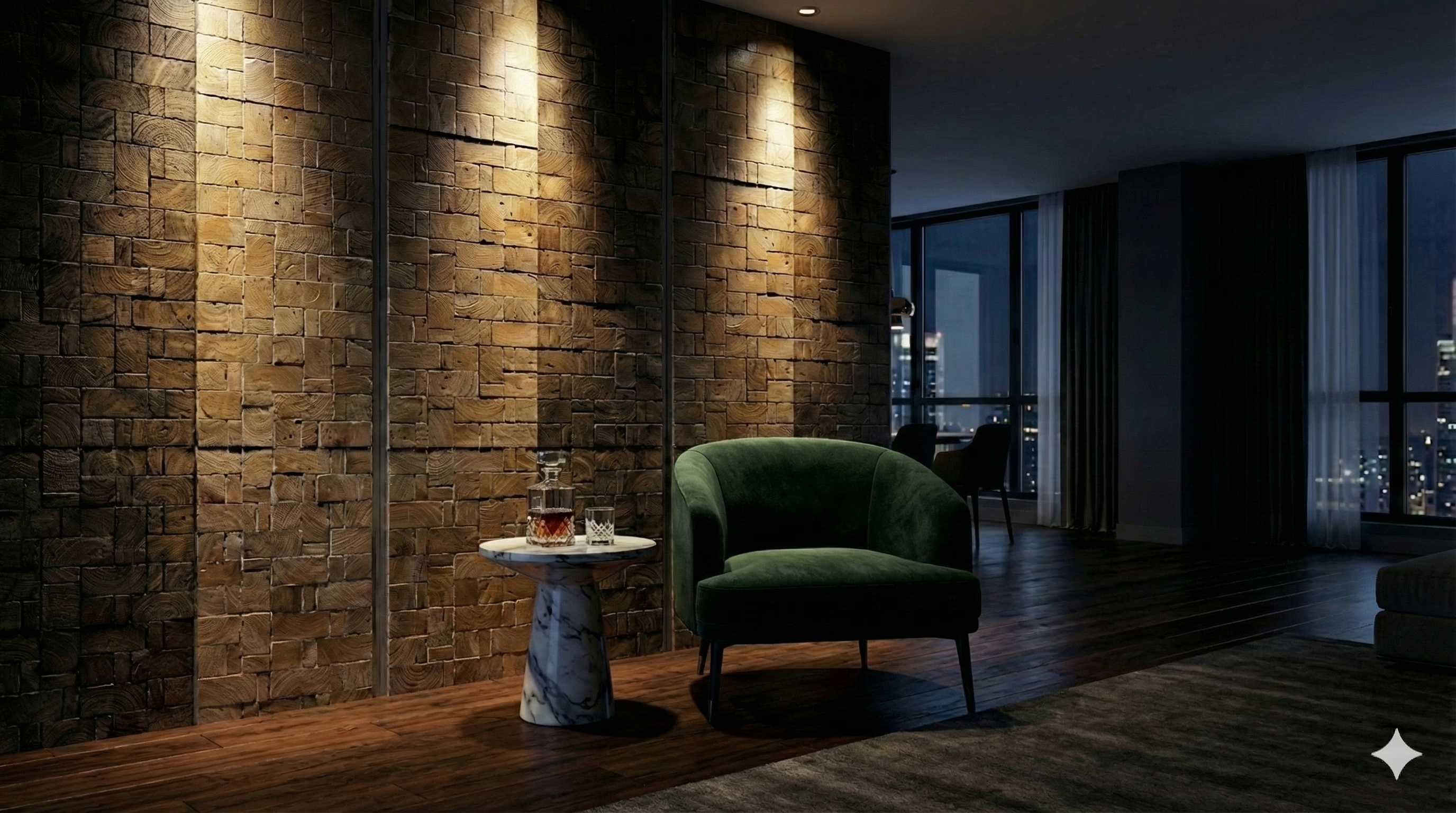
For architects specifying teak panels in commercial settings, understanding the interaction between fire codes and wood finishes is essential. Pressure-infused fire retardants offer permanent protection that topical sprays cannot match. According to the same Mataverde survey, 70% of industry professionals now demand permanent, non-leaching fire protection that lasts for the life of the installation. This treatment approach integrates with the wood cellular structure rather than sitting on the surface, ensuring the fire rating remains intact through sanding, refinishing, and decades of service. For wall cladding, typical installation uses concealed clip systems or direct adhesive methods, while flooring mosaic modules are laid in thin-set adhesive over a properly prepared subfloor. Both methods benefit from the dimensional stability of engineered teak, which maintains consistent gap widths through seasonal humidity cycles. Our teak flooring lifespan and ROI analysis provides additional data on how proper specification affects long-term project economics.
Design Trends 2026: Where Teak Panels Shine
The 2026 interior design landscape is defined by a decisive shift toward warmth, texture, and material authenticity, conditions where teak panels naturally excel. According to Archiproducts official Interior Design Trends 2026 report, warm woods, authentic stones, and natural textures will take center stage, with materials valued for touch, depth, and responsible production methods (Archiproducts, 2025). Chocolate brown has emerged as the top trending color, cited by 33% of designers in the 1stDibs survey, perfectly complementing teak natural golden-brown tones. The maximalist movement, favored by 39% of designers, creates spaces where rich wood paneling is not an accent but a foundational design element that anchors the entire interior scheme. For architects designing hospitality or retail interiors where brand identity demands distinctiveness, teak panels provide a material vocabulary that synthetic alternatives cannot replicate, with each panel carrying the unique grain pattern and character of natural wood.
Biophilic design continues to drive specification decisions in 2026. Research from multiple studies consistently shows that interiors incorporating natural wood elements improve occupant well-being, reduce stress biomarkers, and increase cognitive performance in task-oriented environments. The organic modernism trend, which has held steady in designer preferences across multiple survey years, specifically calls for natural materials with minimal processing. This description fits teak panels finished with penetrating oils such as tung oil or hardwax oil, which enrich the wood natural color without creating a plastic-like surface film. Natural textile fibers and botanical motifs, preferred by 22% of designers for 2026 patterns, also pair naturally with teak panel surfaces, creating layered interiors that feel curated rather than manufactured. For design professionals looking to align their projects with 2026 trends while maintaining timeless appeal, teak panels offer a rare combination: they satisfy current maximalist and biophilic trends while possessing the physical durability to remain in service through multiple design cycles.
Advanced Specification: Commercial vs Residential Projects
For experienced specifiers, the key differences between commercial and residential teak panel projects center on three factors: fire code compliance, acoustic performance, and maintenance planning. Commercial installations must meet local building codes that typically require Class A or B fire ratings, smoke density limits below 450, and flame spread index compliance per ASTM E84 standards. Residential projects, while subject to code requirements, offer more flexibility in finish selection, panel size, and installation method. For commercial applications, specify teak panels with factory-applied, pressure-infused fire retardants and request third-party test reports showing ASTM E84 or EN 13501-1 classification before final approval. The mosaic grid flooring pattern should use adhesives rated for commercial foot traffic cycles, typically with slip resistance values of 0.42 or higher per ADA guidelines. Flooring specifications should also account for a maintenance plan that includes zone-based refinishing every 7-10 years depending on traffic levels, with a professional maintenance log maintained by the facility management team. Residential projects benefit from a wider range of finish options, from natural oiled surfaces that develop patina with age to sealed polyurethane finishes that require minimal maintenance attention from homeowners.
Budget planning should account for teak lifecycle economics rather than upfront cost alone. While premium teak panels carry a higher initial cost than engineered alternatives, their 50-100 year service life and ability to be refinished multiple times deliver a lower cost per year of service. For a hotel lobby or restaurant floor that will see decades of foot traffic, teak lifecycle economics are compelling: a one-time investment that outperforms multiple replacement cycles of lower-cost alternatives. Our detailed comparison of teak versus engineered wood flooring provides the data you need to present lifecycle cost analysis to clients, owners, or project stakeholders during the specification phase.
Frequently Asked Questions
What is the difference between rustic and 3D teak wall panels?
Rustic teak panels emphasize natural wood grain patterns, knots, and color variations for a warm, organic appearance. They create surfaces that feel natural and understated, suitable for bedrooms, libraries, spas, and minimalist interiors. 3D teak panels add geometric relief patterns and textured surfaces, creating visual depth and sculptural walls. They are ideal for feature walls, restaurant interiors, retail environments, and corporate reception areas where the wall itself becomes a design statement.
How long do teak panels last in interior applications?
Indoor teak wall panels last 50 to 100 years with basic care. The USDA Forest Products Laboratory classifies teak as very durable with service life exceeding 50 years (Wood Handbook, 2021). Engineered teak flooring with a 4mm wear layer can be refinished 3-5 times at 7-10 year intervals, giving a total service life matching solid teak. Real-world installations from the 1920s remain in service in European hotels and Indonesian buildings today.
What certifications should I look for when specifying teak?
For Indonesian teak, require SVLK certification (mandatory timber legality system) and FSC certification (sustainable forest management). SVLK automatically qualifies products for EU FLEGT licensing, eliminating additional due diligence for European importers. For teak from other origins, FSC or PEFC certification provides sustainable sourcing assurance. Always request chain-of-custody documentation from your supplier before specification.
Are teak panels suitable for high-moisture environments like bathrooms?
Teak is one of the few hardwoods naturally suited for high-moisture environments. Its natural oil content (5-8% of dry weight) provides inherent moisture resistance that synthetic finishes cannot replicate. Teak panels can be specified for bathrooms, spa areas, and kitchen backsplashes without the dimensional stability concerns that affect other hardwoods. For direct wet zones such as shower interiors, consult your supplier for appropriate finishing and sealing recommendations.
How do premium teak panels compare to engineered wood panels?
Premium solid teak panels last 50-100 years and can be refinished multiple times. Engineered wood panels typically last 15-25 years and can be refinished only 1-2 times before the veneer wears through. While engineered panels cost 30-50% less upfront, solid teak delivers a lower cost per year of service. For commercial applications where longevity and appearance retention matter, solid teak is the lifetime-value leader.
Can teak panels be installed over radiant heating systems?
Yes, engineered teak flooring with a mosaic grid construction is compatible with radiant heating systems. The multi-ply substrate and small module format minimize dimensional movement, reducing gap formation risks. Follow the flooring manufacturer guidelines for maximum surface temperature (typically 27 degrees Celsius or 80 degrees Fahrenheit) and gradual temperature changes during seasonal transitions.
Building Better Spaces With Premium Teak Panels
Premium teak panels combine durability, natural beauty, and sustainability in a way that aligns perfectly with 2026 architecture and design priorities. The global teak wood market projected growth to USD 115.59 billion by 2035 reflects an industry recognizing that natural materials with authentic provenance deliver value that synthetic alternatives cannot match. The material Class 1 durability, moisture resistance, and 50-100 year service life make it a specification that performs for the full lifespan of the building, not just the first design cycle. For architects and designers, the path forward is clear: specify FSC and SVLK certified teak, select panel styles that match the design intent, and work with manufacturers who provide verifiable chain-of-custody documentation. The result is a space that serves occupants for generations while supporting responsible forest management and sustainable material cycles.