Why Choose Premium Wood Wall Cladding?
Premium wood wall cladding transforms interior spaces with natural warmth, texture, and acoustic performance. This guide covers material selection, installation methods, and specification considerations for architects and designers.
Aesthetic Value
Wood cladding adds organic texture that synthetic materials cannot replicate. Grain patterns, natural color variation, and tactile surfaces create visual depth that photographs beautifully and ages gracefully.
Acoustic Performance
Solid wood panels absorb sound frequencies between 500-2000 Hz, reducing reverberation in hospitality spaces, offices, and residential interiors.
Sustainability Credentials
FSC-certified and SVLK-certified wood cladding contributes to LEED and BREEAM certification points.
Types of Premium Wood for Wall Cladding
Teak (Tectona grandis)
Origin: Indonesia (primary), Myanmar, Thailand
Janka Hardness: 1,070 lbf
Natural Properties: High oil content, water resistance, dimensional stability
Best For: Hospitality, coastal projects, high-humidity environments
Cost Range: $$$$ (Premium)
Teak is the gold standard for architectural wood wall cladding. Indonesian teak has been exported for over 25 years with proven performance in tropical and temperate climates.
Oak (Quercus spp.)
Janka Hardness: 1,290-1,360 lbf
Best For: European-style interiors, traditional applications
Reclaimed Wood
Reclaimed wood provides environmental storytelling but introduces uncertainty in structural consistency and supply availability.
Wood Cladding Profiles and Styles
Flat Panel (Contemporary)
Clean lines with minimal shadow gaps. Precision-machined panels with ±0.1mm tolerances ensure seamless installation.
3D Textured (Architectural)
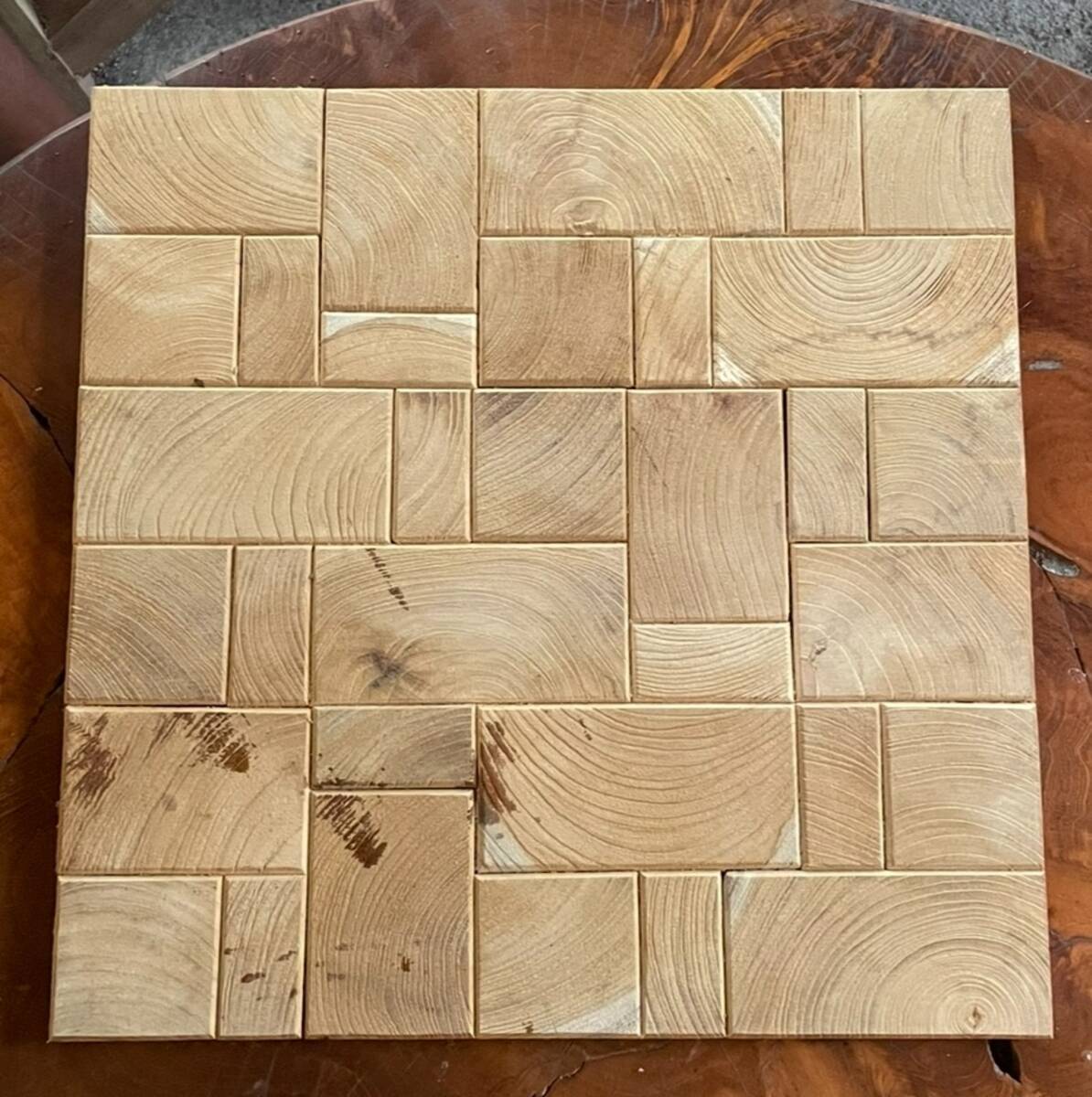
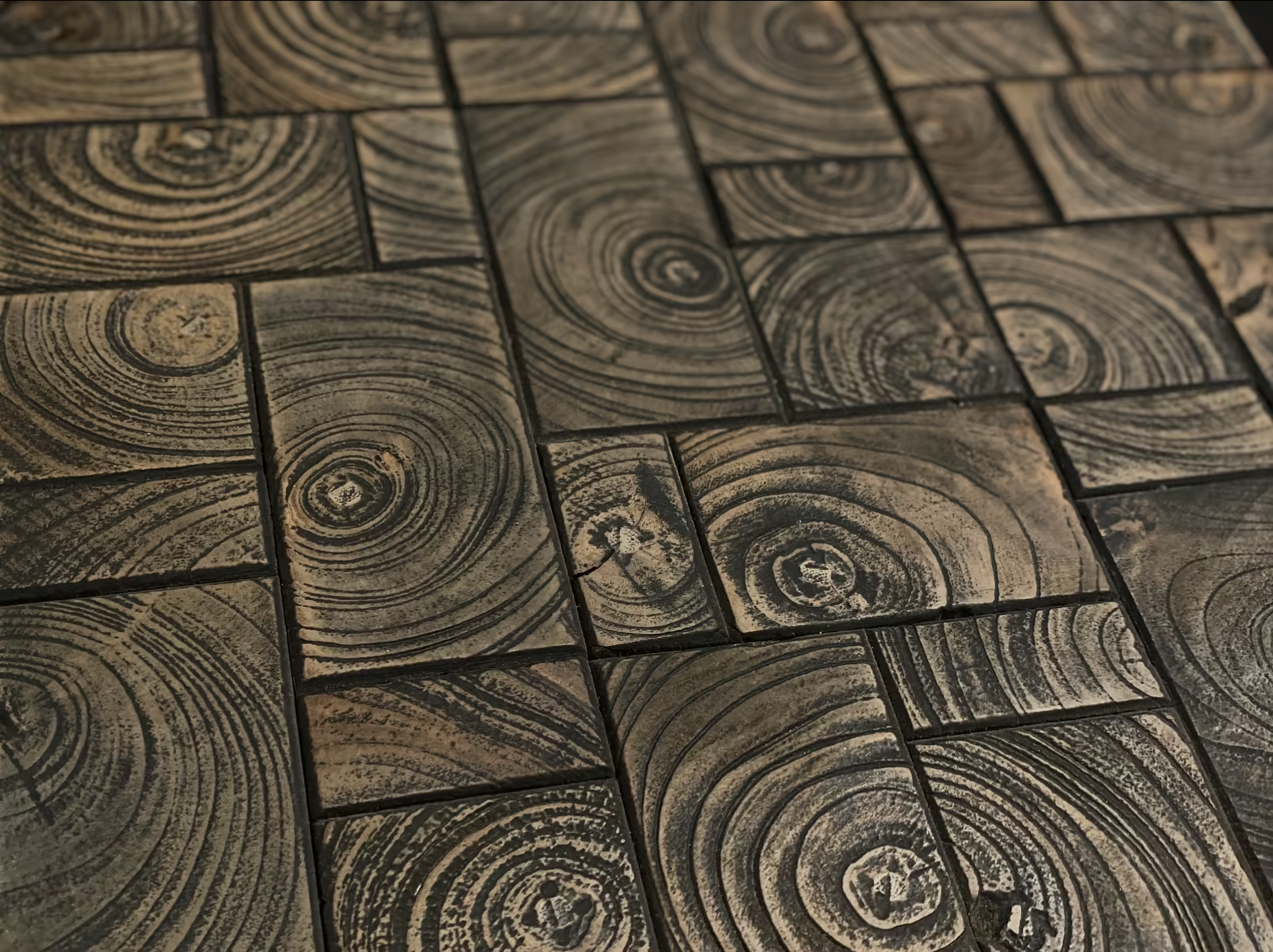
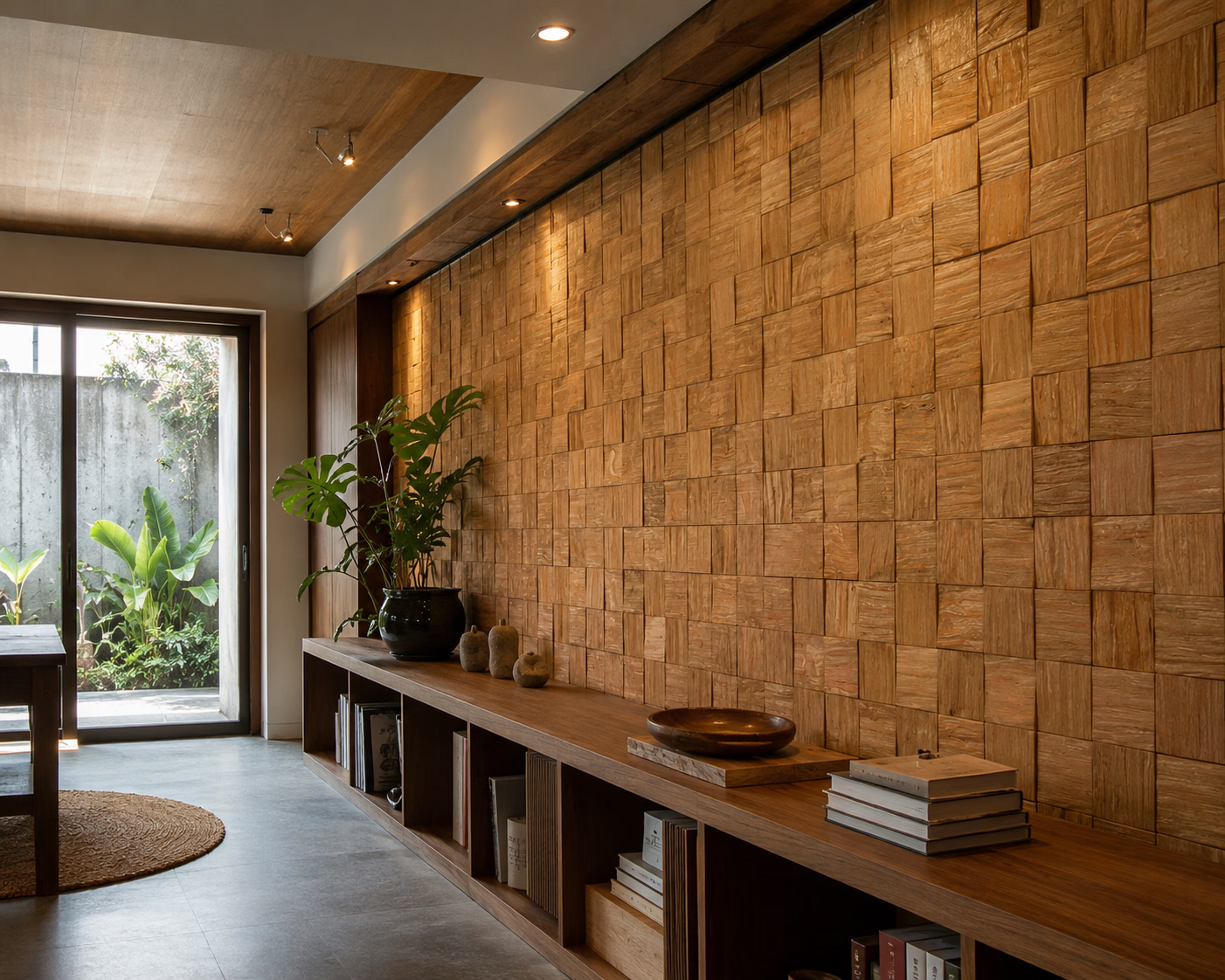
Three-dimensional profiles that create shadow play. 3D teak wall panels work as feature walls in lobbies and restaurants.
Rustic/Natural (Organic)
Hand-finished surfaces celebrating natural wood character. Popular in boutique hotels and luxury villas.
Installation Methods
Direct Adhesive Mounting
Panels bonded directly to substrate. Best for smooth, flat walls with panel thickness under 15mm.
Hidden Clip System
Aluminum or stainless steel clips secure panels to battens. Best for larger panels and commercial projects.
Tongue and Groove
Traditional interlocking system creates seamless surfaces. Best for ceiling applications and residential projects.
Specification Considerations
Moisture Content
Wood cladding should be kiln-dried to 8-12% moisture content. Indonesian teak is typically dried to 10-12% for export applications.
Finish Options
- Natural/Oiled: Penetrating oil enhances grain, requires annual re-oiling
- Lacquered: Film-forming finish, lower maintenance
- Unfinished: Raw wood for on-site finishing
Cost Factors
| Factor | Impact on Cost |
|---|---|
| Wood species | Teak > Oak > Pine |
| Panel thickness | 15mm vs 20mm = 25-30% difference |
| Finish type | Oiled < Lacquered < Custom |
| Project volume | 500+ sqm = 10-15% discount |
Why Specify Indonesian Teak?
25+ Years Export Proven
Indonesian teak has a documented track record in international projects spanning decades.
SVLK Certification
SVLK-certified Indonesian teak meets EU Timber Regulation requirements.
Climate-Ready Durability
Indonesian teak performs in tropical, temperate, and coastal environments.
Precision Manufacturing
Modern Indonesian manufacturers achieve ±0.1mm tolerances through precision machining.
Next Steps
- Review product samples: Request teak samples to evaluate grain and finish
- Discuss project requirements: Share dimensions and timeline
- Request project quote: Get pricing for your specifications
Contact our specification team at sales@vinteakpanels.com for consultation.